Choose flowers thoughtfully with a practical, expert-backed checklist for occasions, budgets, and care. This guide explains how different flower types communicate emotion, how to evaluate freshness, and what factors influence quality and pricing—from sourcing practices to seasonal availability. It also outlines buying conditions, supplier considerations, and clear FAQs for confident decisions.
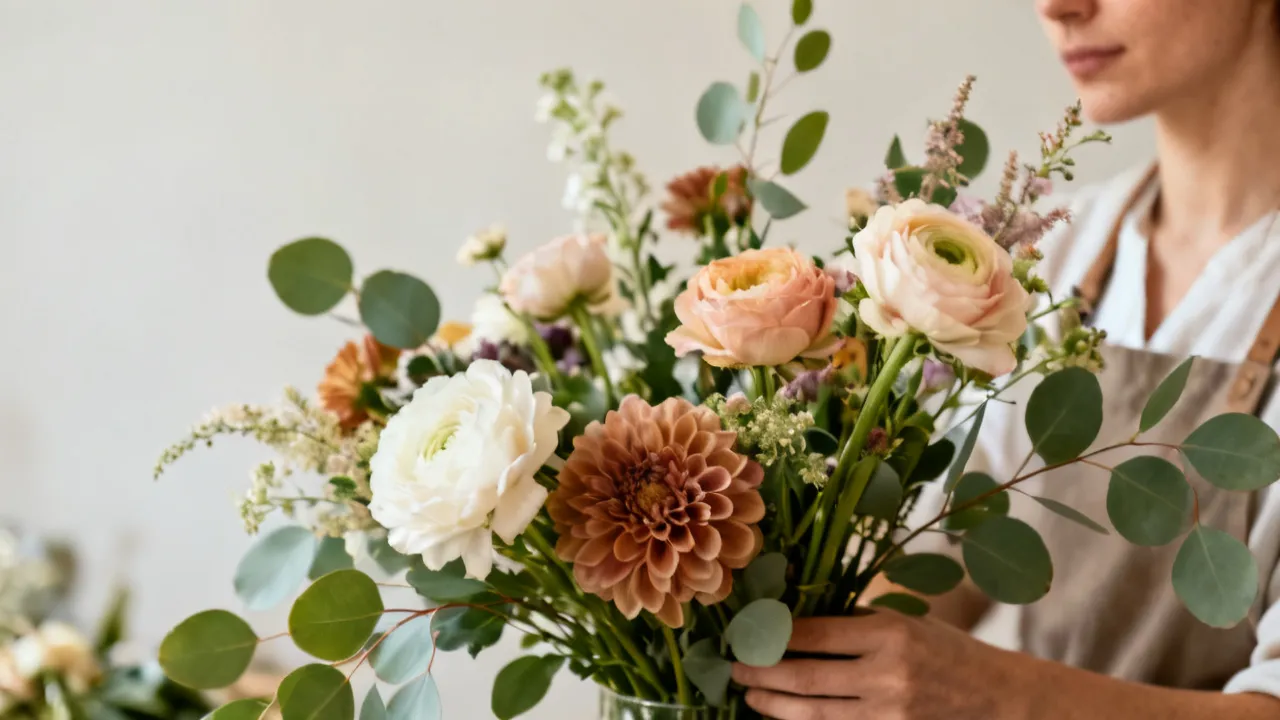
Selecting flowers is more than matching colors—it’s a decision that blends aesthetics, symbolism, freshness, and practical care. This guide brings an industry perspective to help you evaluate blooms objectively, plan for budget realities, and communicate the right message with confidence. Whether you’re preparing an arrangement for a milestone celebration or refining a home display, you’ll find a structured approach to choosing flowers that stay visually fresh and feel intentional.
In real-world floristry, “quality” isn’t just a vague promise. It’s a measurable outcome of how flowers were grown, harvested, handled, cooled, hydrated, packaged, transported, and ultimately displayed. Even the most beautiful color palette can fail if the buds are at the wrong stage, if stems lost hydration en route, or if the flowers were exposed to heat longer than they can tolerate. The same is true in reverse: thoughtfully selected stems with good hydration and correct bud timing can look stunning longer, even if the arrangement isn’t the most expensive option.
To keep things simple and reliable, you’ll use an expert checklist across three pillars: quality (freshness and handling), meaning (intent and context), and care (what happens after you receive them). That triad mirrors how professionals think when they build bouquets for immediate impact and for endurance.
When people shop for flowers, the first instinct is often to compare price points. However, from a procurement and arrangement standpoint, freshness and suitability usually determine the overall “value experience.” Flowers that arrive with stable stems, firm buds, and consistent petal texture generally cost less in the long run because they maintain form longer. Price is still important, but it should follow quality checks—not precede them.
As you compare offers, treat “value” as a combination of: (1) bloom readiness (how close petals are to opening), (2) stem and leaf condition, (3) fragrance and color integrity, and (4) the logistics of handling and delivery. In many markets, these factors influence both shelf life and how a bouquet looks in photos or at an event.
For example, a bouquet that appears similar in color can behave very differently: roses with tightly closed buds and intact petals might open gradually over several days, while roses that are already partially past peak can collapse faster or show petal edge browning sooner. This is why two bouquets with the same “theme” can yield very different results—one looks premium for longer, the other looks good only briefly.
Another value consideration is “fit.” A flower choice that is gorgeous in a florist photo may not be the best match for your environment. If you’re delivering to a warm venue, choosing blooms that tolerate heat poorly may reduce lifespan significantly. If you’re arranging for an indoor ceremony with controlled temperatures and immediate setup, you can afford to select a bloom stage optimized for wow-factor. If the flowers will sit in a car, near windows, or in air conditioning blasts, you’ll want additional resilience and more conservative bud selection.
Flowers are widely used as nonverbal messaging. Yet meanings vary by culture and context, so it’s top to interpret symbolism as a guideline rather than a strict rule. For example, many people associate certain blossoms with celebration, gratitude, or condolences. If you’re unsure, choose species and colors that align with the recipient’s personality and your relationship—then confirm any culturally sensitive interpretation through reliable local guidance (or the florist’s professional recommendations).
In day-to-day floristry, meaning is rarely only about the “dictionary definition” of a flower. It’s about the combination of: (1) the flower species, (2) color tone and saturation, (3) bouquet shape (formal tight clusters versus loose airy styles), (4) greenery and foliage texture, and (5) how the arrangement is presented (wrapping, ribbon, and container choice). In other words, even when a flower species carries a common association, the arrangement’s total design strongly affects emotional tone.
To make meaning practical, you can treat it like a messaging brief. Ask yourself:
Then choose intentionally. If you want a celebration tone, you might emphasize vibrant color saturation and a balanced bouquet structure. If you want a condolence tone, you might prioritize calming color families, a more subdued palette, and a design that signals respect. If you want gratitude, you can choose flowers and colors that feel “warm” and supportive—often with a slightly softer arrangement shape.
When you’re ordering remotely, communicate intent clearly and ask what the supplier recommends. Professionals can suggest design choices that reinforce your message beyond the species name.
From an industry standpoint, quality issues usually fall into a few categories: hydration and handling, bud stage mismatch, and species-specific vulnerability.
Quality problems don’t always present as dramatic failures. Many issues are subtle until day two or three—petals may start with beautiful color but then show edge browning, uneven opening, or reduced structural support. Understanding common failure modes helps you identify them early and avoid “false good buys.”
Because professional suppliers work with graded product and predictable conditions, they can often forecast how a bouquet will behave at delivery time. When a supplier can’t answer basic questions about bloom stage and handling, it’s a signal you may be purchasing uncertainty.
Here are the core quality categories and how they show up visually and structurally:
Because of these realities, objective evaluation matters. Look for stems that appear evenly cut and leaves that are not overly limp or discolored. If you’re buying for an event, consider ordering with a timeline that allows proper opening without reaching a “past peak” stage.
To evaluate quality in a realistic way, try to assess multiple elements at once, not just one “headline” feature. A bouquet may have beautiful flowers but poor stems; another may have average-looking blooms but excellent bud stage and sturdy stems. Together, those details determine actual vase life.
Flower prices are not static. Availability changes with climate, growing cycles, and global supply chain timing. Seasonal blooms can be more consistent in quality and sometimes—depending on market conditions—more predictable in price. Out-of-season imports may cost more due to greenhouse production, transport time, and temperature control requirements.
When you see a “same flower name” offered at very different price points, it’s rarely identical product. Species may be the same, but the grade, length of stems, uniformity of buds, and freshness at dispatch might differ. Even for common flowers, the quality category can vary: a florist-grade listing might reference tighter bud readiness and better stem thickness than a general retail listing.
If you’re comparing offers from different suppliers, ask whether the listing reflects seasonal stock or substitutes. A reliable supplier will explain what’s included (species, grade, and approximate bloom stage) rather than hiding behind generic descriptions.
It also helps to understand why seasonality is not only a pricing issue but a performance issue. Flowers grown during optimal conditions often have sturdier structures and more predictable opening patterns. In contrast, greenhouse-grown blooms off-season might be beautiful but sometimes behave differently—opening quickly or holding bloom for shorter periods—depending on variety and harvest timing.
Seasonality affects more than appearance. It can influence fragrance, petal texture, and how well petals recover after transport. If you have a recipient who is sensitive to scent, seasonality can matter: some varieties are more fragrant when grown and harvested at certain maturity stages.
Even without specific price numbers provided in your request, you can use a rigorous comparison method that mirrors how procurement teams evaluate floral orders.
When you evaluate offers, compare:
This approach helps you compare value more accurately than by price alone.
One industry-friendly strategy is to calculate cost per “expected visual day.” It’s not a formal metric, but it helps you think beyond the purchase price. If one bouquet has higher bud readiness and sturdy stems that look fresh for twice as long, it is often the better value even if the sticker price is higher.
Another way to compare is to request details. A supplier who offers a more transparent description of stems, bloom stage, and care support often reflects better internal quality control. Lack of details can mean either a small family-run operation (which may still be fine) or inconsistent sourcing practices. You can clarify by asking follow-up questions—especially about bud stage and substitution rules.
Choosing a supplier for flowers involves more than selecting who has the top price. Professional supply chains prioritize dependable stock, consistent quality, and transparent handling.
When assessing a supplier, consider:
These are practical indicators used in day-to-day operations across the floristry industry.
Industry buyers also look for “predictive” communication: suppliers should be able to tell you what will happen when the bouquet opens. If you’re planning an event schedule, you need to know whether blooms will open fully by the start time, during the event, or after. That’s not “extra”—it’s how you prevent disappointment.
Traceability is an additional indicator. While you as a buyer may not get full farm-level traceability, a professional supplier should at least provide information about variety type, harvest timing approximation, and handling approach. If they can’t provide even basic information, your risk increases—especially when ordering last minute or for sensitive occasions.
In many regions, people prefer a “nearby” supply approach because shorter transport times can improve freshness and reduce temperature stress. Local sourcing can also reflect cultural taste: for example, preferences for particular color palettes during seasonal festivals or events, or an emphasis on certain flower types that carry locally understood symbolism.
If you’re buying for a ceremony, it can help to consider seasonal local norms—what looks appropriate, how arrangements are typically styled, and whether certain flowers are expected for that moment. A good florist or supplier will recognize these preferences and guide you toward choices that feel natural rather than generic.
Culture also shapes what “good style” means. In some places, audiences expect certain bouquets to be more compact and formal. In others, arrangements are expected to be airy and texturally mixed. Understanding local taste helps you choose flowers that not only look good but feel contextually “correct.”
Even color meaning can shift. White, for example, can represent purity or condolence depending on the culture and the specific event. Red can represent love and celebration but may also carry different emotional weight in some contexts. If you’re uncertain, the best approach is to choose a design palette that communicates your intention through general emotional tone (warmth, respect, celebration) while also verifying any culturally sensitive associations.
If you know the recipient personally, you can also infer meaning from their preferences. Some people care less about symbolism and more about beauty. Others strongly value traditional meaning. The expert approach is to combine both: intention plus preference.
Before you finalize a purchase, use this practical checklist. It’s designed to help you identify quality quickly—whether you’re shopping in-store or placing an order for delivery.
Even if you’re buying online, you can adapt the checklist into questions. Instead of looking with your eyes, you request confirmation of the same quality indicators (bloom stage, hydration handling, leaf health, substitution rules).
To go one step further, consider a “risk scan” for time and environment:
These questions often matter as much as the species list. A bouquet that is perfect at purchase can disappoint if the care conditions are poor or delayed.
Once you’ve selected your flowers, care quality strongly influences how they perform. Professional florists frequently emphasize that “aftercare is part of the product.” Even top-grade blooms can fade quickly if placed in heat or drafts.
Care is not complicated, but it must be consistent. The flowers’ main needs after purchase are hydration, cleanliness, stable temperature, and minimal physical stress.
If you’re setting up for a formal occasion, plan to hydrate and arrange close to display time. Transport and handling during venue setup can stress petals and stems.
Additional aftercare steps that can make a noticeable difference include:
Placement is as important as care. If you display flowers near a kitchen stove, a sunny window, or a doorway with frequent drafts, the bouquet will dry faster. For best results, place arrangements where temperature is stable and direct light is limited.
Also consider recipient behavior. If the recipient tends to keep vases in high-traffic areas, you may want a bouquet style that tolerates movement and doesn’t rely on fragile petals as focal points.
Many of the problems people blame on “bad luck” are usually preventable. Here are frequent pitfalls observed in retail and event settings:
Another common mistake is not asking about substitutions. If you order with a specific color palette or symbolism in mind, substitutions can unexpectedly shift the message. That’s why you should specify acceptable changes in advance.
Finally, people sometimes forget that bouquet shape affects performance. Extremely tall, narrow arrangements can cause stems to be partly out of water depending on vase geometry. Wide arrangements can also create leaf contact with water if leaves aren’t managed well. The “small details” can determine whether the bouquet looks fresh longer.
Below is an objective, goal-based way to think about flowers. Use it as a decision framework rather than a strict rulebook.
The key is to align bloom stage and species resilience with your environment and timeline. “Goal” is not just aesthetic. It’s a timeline and care plan.
You can also match flowers to the environment of display:
When you choose based on goal and environment, you reduce the chance of “pretty but short-lived.” That is the professional difference: you select not just what looks good, but what will behave well.
Flower supply chains frequently rely on cold-chain logistics and post-harvest handling protocols to extend vase life. The Food and Agriculture Organization (FAO) and related agricultural postharvest literature discuss how temperature management affects product deterioration. For buyers, this translates to practical advice: the handling quality of the supplier and delivery timing often determine how long flowers remain attractive after arrival.
Recommended references (for general background): FAO postharvest resources and academic horticulture/preservation guidance on temperature and cut-flower longevity.
While you don’t need to become a postharvest specialist, understanding the underlying principles helps you interpret what suppliers are telling you. For example, when a supplier emphasizes cold storage and hydrated packaging, they’re likely referencing real temperature- and hydration-management strategies used across cut-flower industries.
Here’s how those industry practices translate into your purchasing decisions:
When you use this knowledge to ask better questions, you improve your chances of receiving flowers that match the promised look.
| Decision factor | What to compare | Why it matters for flowers | Conditions/requirements to request |
|---|---|---|---|
| Freshness assurance | Bouquet bloom stage and handling description | Determines how quickly petals open and how long the bouquet stays visually strong | Ask for the intended bloom stage (opening readiness) and handling method during transit |
| Supplier reliability | Consistency across similar orders | Reduces the risk of uneven color or damaged stems | Confirm replacement/substitution standards and whether the supplier uses a quality grade system |
| Pricing structure | Stem count, grade, and arrangement complexity | Helps you compare value beyond sticker price | Request itemized or clearly stated components: number of stems, major varieties, and packaging details |
| Delivery timing | Delivery window and preparation timing | Minimizes heat exposure and dehydration | Confirm when flowers are arranged and whether they are hydrated before dispatch |
| Care support | Provided aftercare instructions | Improves hydration uptake after arrival | Ask for step-by-step care: trimming guidance, water change frequency, and vase placement tips |
| Event readiness | Setup support and packaging suitability | Prevents drooping or petal damage during venue handling | Request advice on transport duration, staging time, and how to keep arrangements stable |
When you use this table, you’re basically turning “trust me” marketing into measurable criteria. That’s how professional buyers reduce risk.
To make this workflow even more “expert,” you can add two decision points that matter a lot in practice:
These additional decision points often prevent disappointment more than minor species substitutions.
Ask for the intended bloom stage. An expert approach often uses a mix: some blooms near opening for immediate impact and a controlled portion of earlier buds for extended lifespan—while staying within species-specific limits.
Not always. Off-season availability can raise costs due to greenhouse production or importing and may also affect freshness consistency. Instead of relying on “season equals cheaper,” compare the actual grade, bloom readiness, and handling method in each offer.
Request clarity on bloom stage, stem count, substitution rules, packaging/hydration practices, and delivery timing. Also ask for aftercare instructions tailored to the species included.
Look for firm stems, intact petals, consistent color, and leaves that aren’t overly limp or discolored. If ordering delivery, ask how the supplier determines bloom readiness and what quality checks they perform before dispatch.
Immediate hydration support. Use a clean vase, fresh water, remove submerged leaves, and trim stems appropriately. Place arrangements away from heat, direct sunlight, and strong drafts.
They can, depending on the species and color. To maintain your intended message, confirm that substitutions preserve color temperature and overall design—not just “similar availability.”
Plan for short setup time. Keep arrangements cool, reduce time in a vehicle or direct sun, and refresh water when possible. If the event is long, consider staggered refresh cycles for key arrangements.
No. While the basics—clean water, stem trimming, and placement control—apply broadly, different species have different sensitivities. Follow the care guidance provided by your supplier for top outcomes.
Choosing flowers well is a blend of art and logistics. By prioritizing freshness, confirming bloom stage, evaluating supplier reliability, and applying proper care, you can build arrangements that look coherent, feel meaningful, and remain attractive longer. Treat price as one component of value—not the sole deciding factor—and use objective comparisons to select flowers that match your occasion and expectations.
When you approach flowers like a professional—checking hydration and bud readiness, clarifying meaning through intent, and planning aftercare—you move beyond guessing and into control. That’s when flowers stop being a gamble and start becoming a dependable, beautiful part of life’s milestones.
Striking the Perfect Balance: Navigating Premiums and Out-of-Pocket Expenses in Senior Insurance Plans

Explore the Tranquil Bliss of Idyllic Rural Retreats

How to Make Lasting Memories at Disneyland Attractions

Affordable Phones and Plans for Seniors

Affordable Full Mouth Dental Implants Near You

Unlock the Top Kept Secrets to Finding Your Ideal Dentist for Flawless Dental Implant Results!

Discovering Springdale Estates

Unveiling RS Sul Telecom Services

The Guide to Car Trading


Comprehensive Guide to Rose Cdc
This article explores the intricacies of Rose Cdc, focusing on its significance and usage in various industries. Rose Cdc refers to sophisticated cultivation techniques highly valued in agriculture, particularly for the cultivation of roses. An understanding of Rose Cdc is critical for enhancing productivity and sustainability in floriculture, aiming to meet the increasing demand for high-quality rose products globally.
Comprehensive Guide to Rose Cdc
This article explores the intricacies of Rose Cdc, focusing on its significance and usage in various industries. Rose Cdc refers to sophisticated cultivation techniques highly valued in agriculture, particularly for the cultivation of roses. An understanding of Rose Cdc is critical for enhancing productivity and sustainability in floriculture, aiming to meet the increasing demand for high-quality rose products globally.
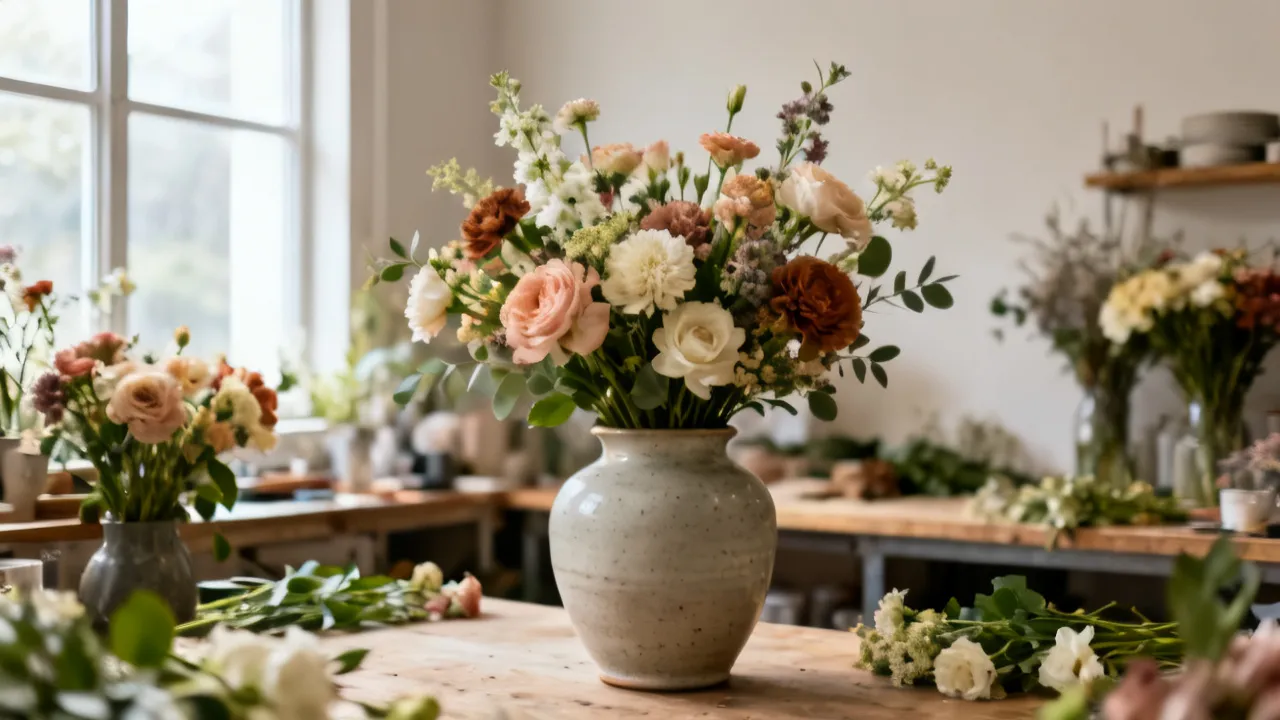
Flowers Sourcing, Pricing, and Supply Guide
This guide explains how to choose flowers with clear sourcing and realistic pricing, focusing on supplier reliability, freshness indicators, and smarter buying decisions. Background context covers how flower varieties, seasonality, and handling practices shape cost and quality in the retail and event supply chain.
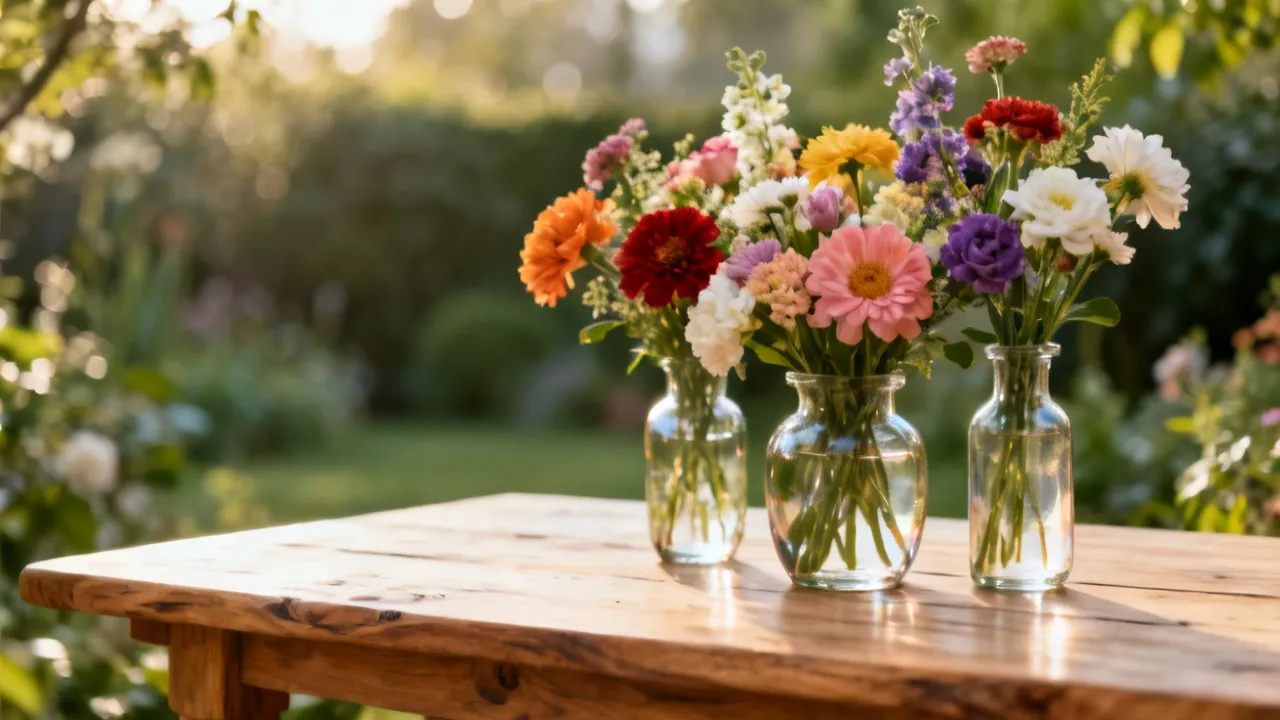
Professional Guide to Choosing Quality Flowers
This guide helps you select and care for flowers with a focus on quality, freshness, and responsible sourcing. It explains how flower types, seasonality, and handling practices influence longevity, value, and visual impact. You’ll also find practical buying considerations, a structured comparison of options and requirements, and expert-backed answers to common questions about selecting blooms.
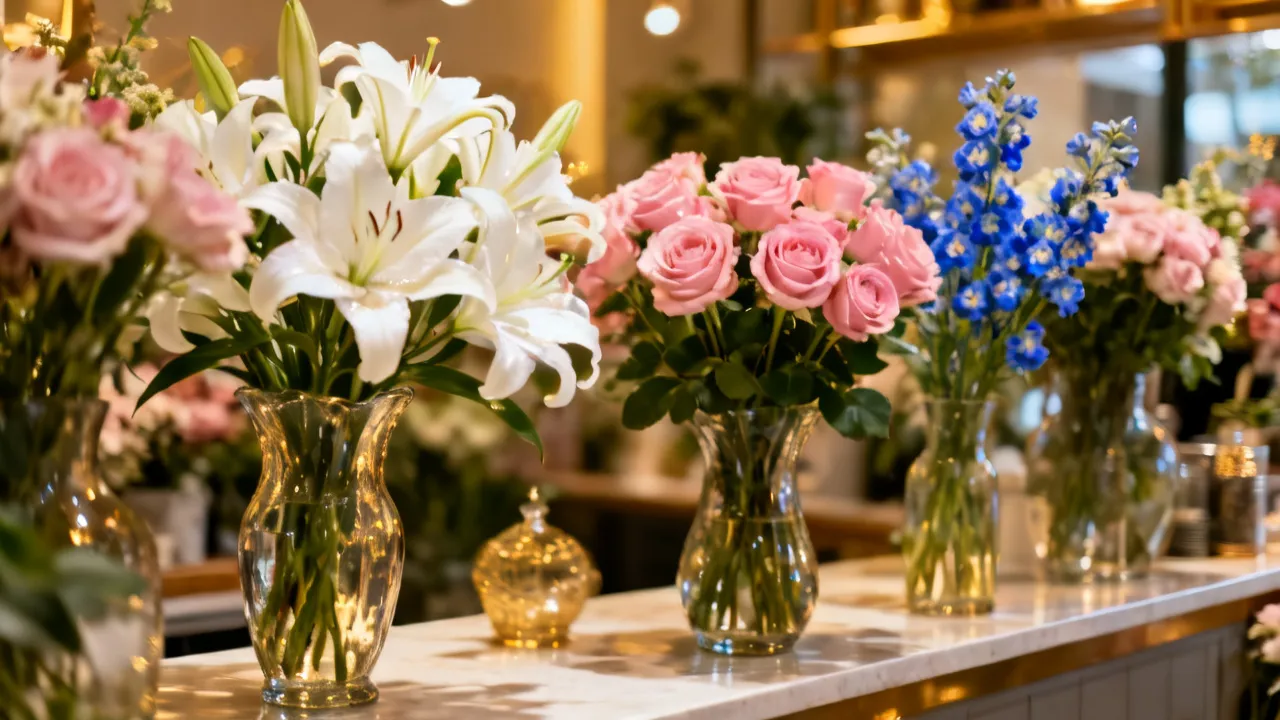
Choosing the Right Flowers for Any Occasion
This guide helps you select flowers with confidence by explaining quality signals, seasonal options, arrangement styles, and how to coordinate delivery expectations. Background context covers what matters very when buyers look for flowers—freshness, variety, stem handling, and responsible sourcing—so your choices align with both aesthetic goals and practical constraints.
A Professional Guide to Selecting the Right Flowers
Choose flowers thoughtfully with a practical, expert-backed checklist for occasions, budgets, and care. This guide explains how different flower types communicate emotion, how to evaluate freshness, and what factors influence quality and pricing—from sourcing practices to seasonal availability. It also outlines buying conditions, supplier considerations, and clear FAQs for confident decisions.
